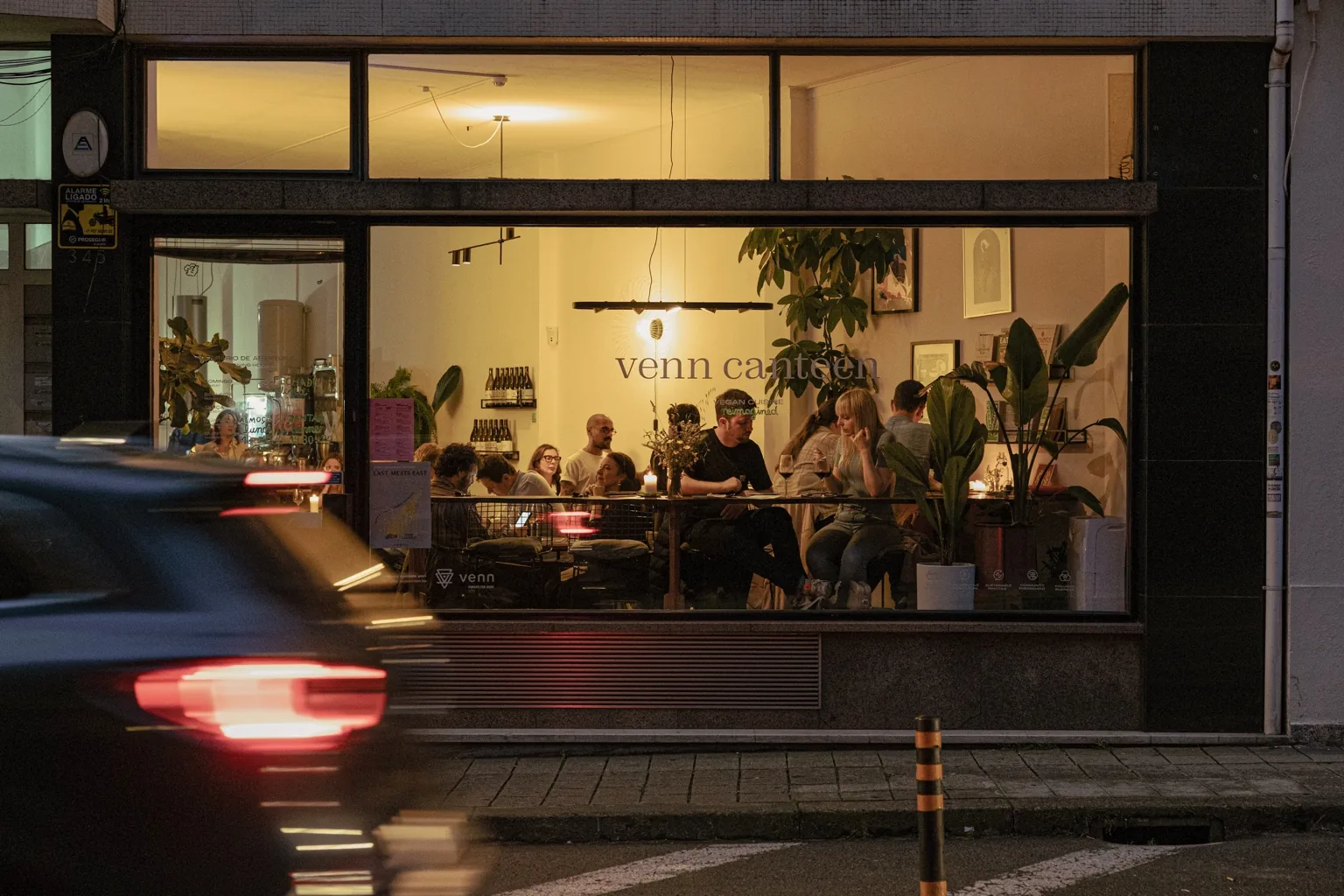
A restaurant that tries to
carry its weight.
A plant-based tasting menu in Baixa, Porto. We work directly with the people who grow the food. The menu follows them.
The restaurant industry is extractive by default. It pulls hard on people, on land, on supply chains, and most of that cost sits outside the P&L.
VENN started from a simple question: what would change if a restaurant paid closer attention to the costs that usually stay hidden? We wanted to build a place that could survive financially while taking more responsibility for people, land, sourcing, and waste.
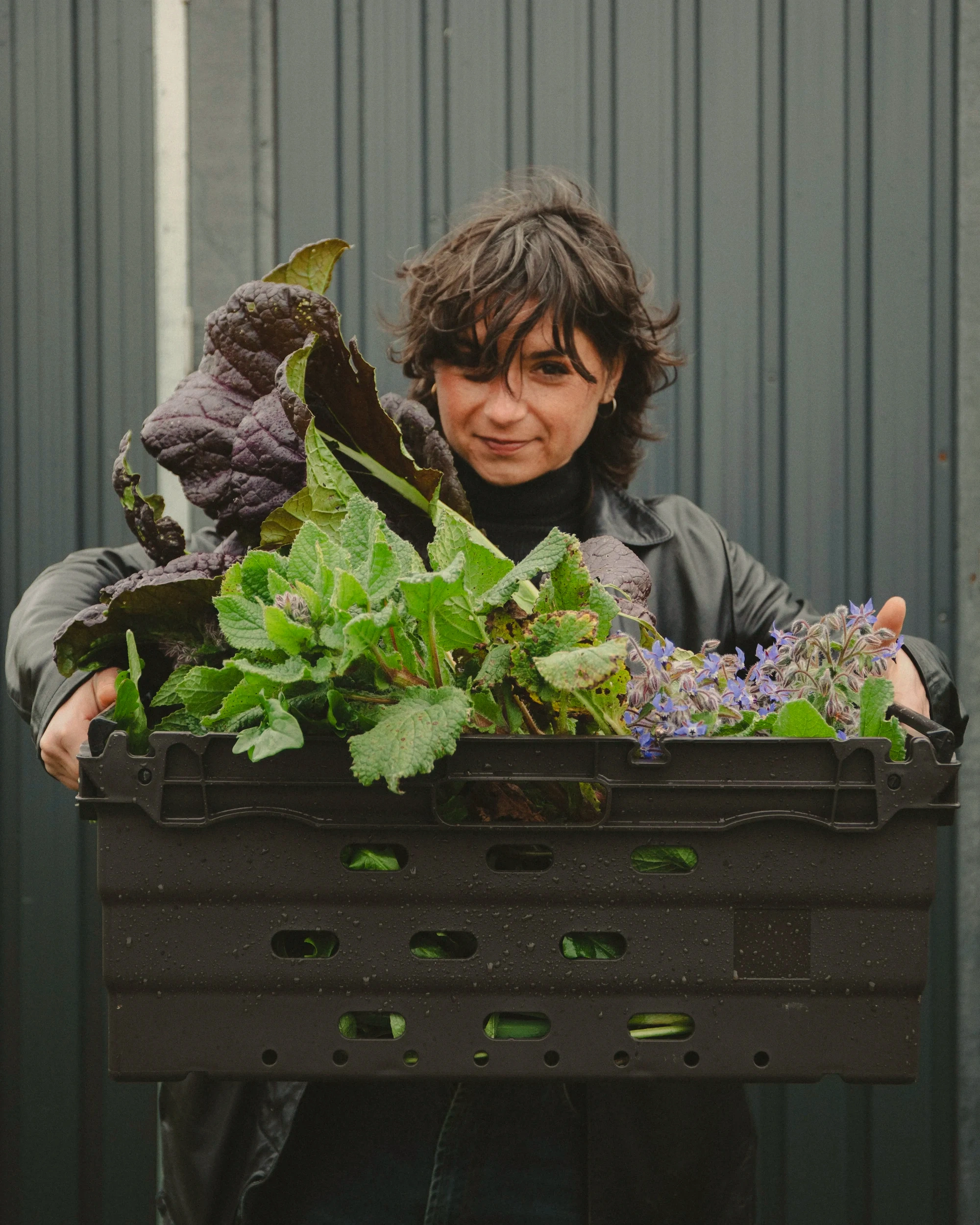
That means working with farmers doing genuinely good work in a climate-changed world, grounding the cooking in where we are, and treating the restaurant as a point of contact with the wider community, not just a place that serves paying customers.
We are not claiming to do it better than anyone. We are trying to show it is possible, and along the way, help people read food a bit more clearly.
The restaurant, the farms, the patio, and the public work are connected.
Up to two menus per season. The scale keeps the sourcing traceable and the relationships direct.
The Restaurant
Tasting menu only since December 2024. The menu changes once or twice a season, with a weekly supplement and optional pairing. A short-window ingredient sometimes splits the season.
Sourcing
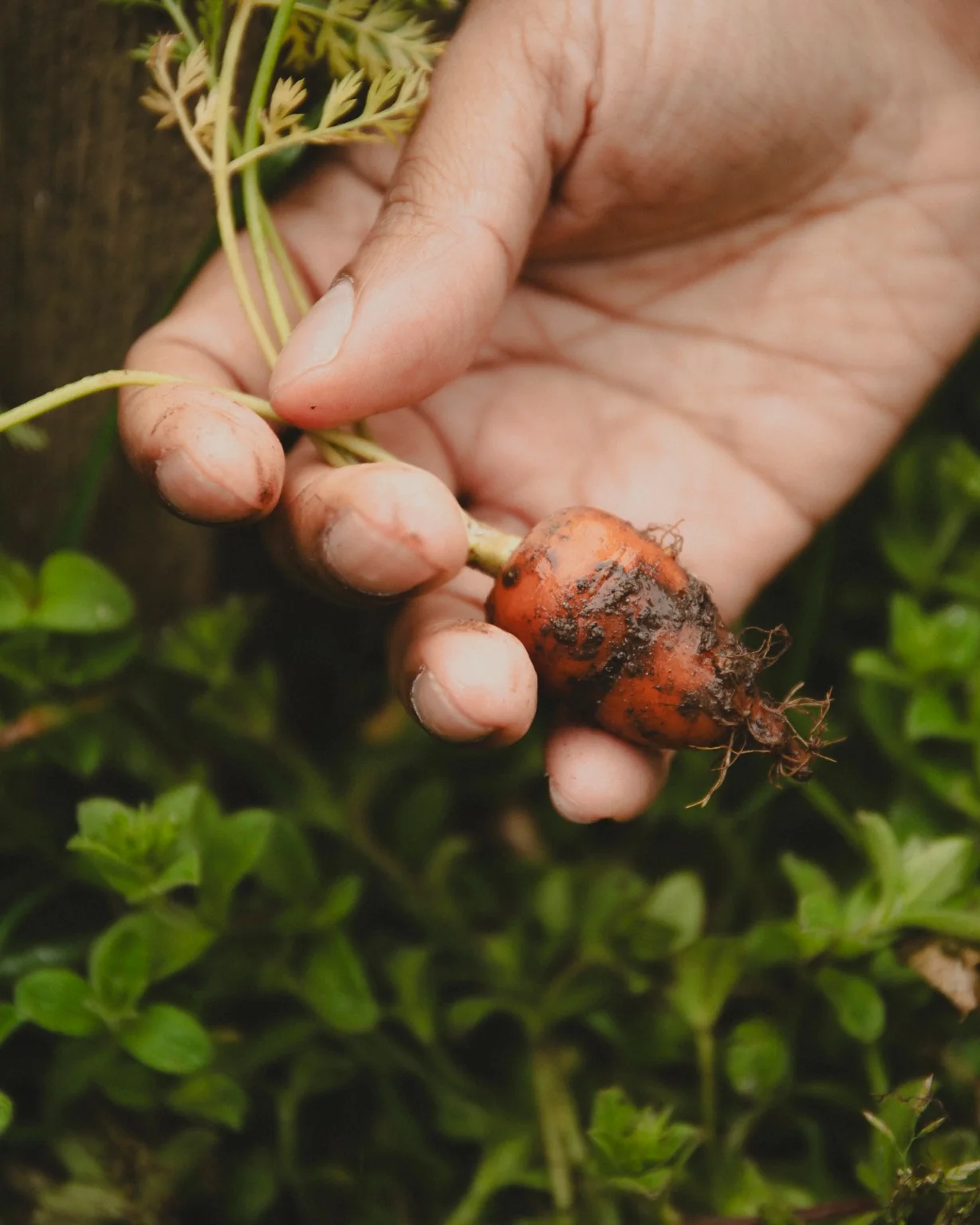
Around 30 direct suppliers. Roughly 90% sourced direct from the producer, not through a wholesaler.
Key farms and producers include Formiga Gloriosa in Muro, Trofa (regenerative, foraged), Sweet Green (borage, dandelion, basil, fava), H2Douro, and Projeto Agroflorestal dos Corotos. Alongside partners such as Landratech (acorn flour) and Associação Verde (montado stewardship).
The Kitchen
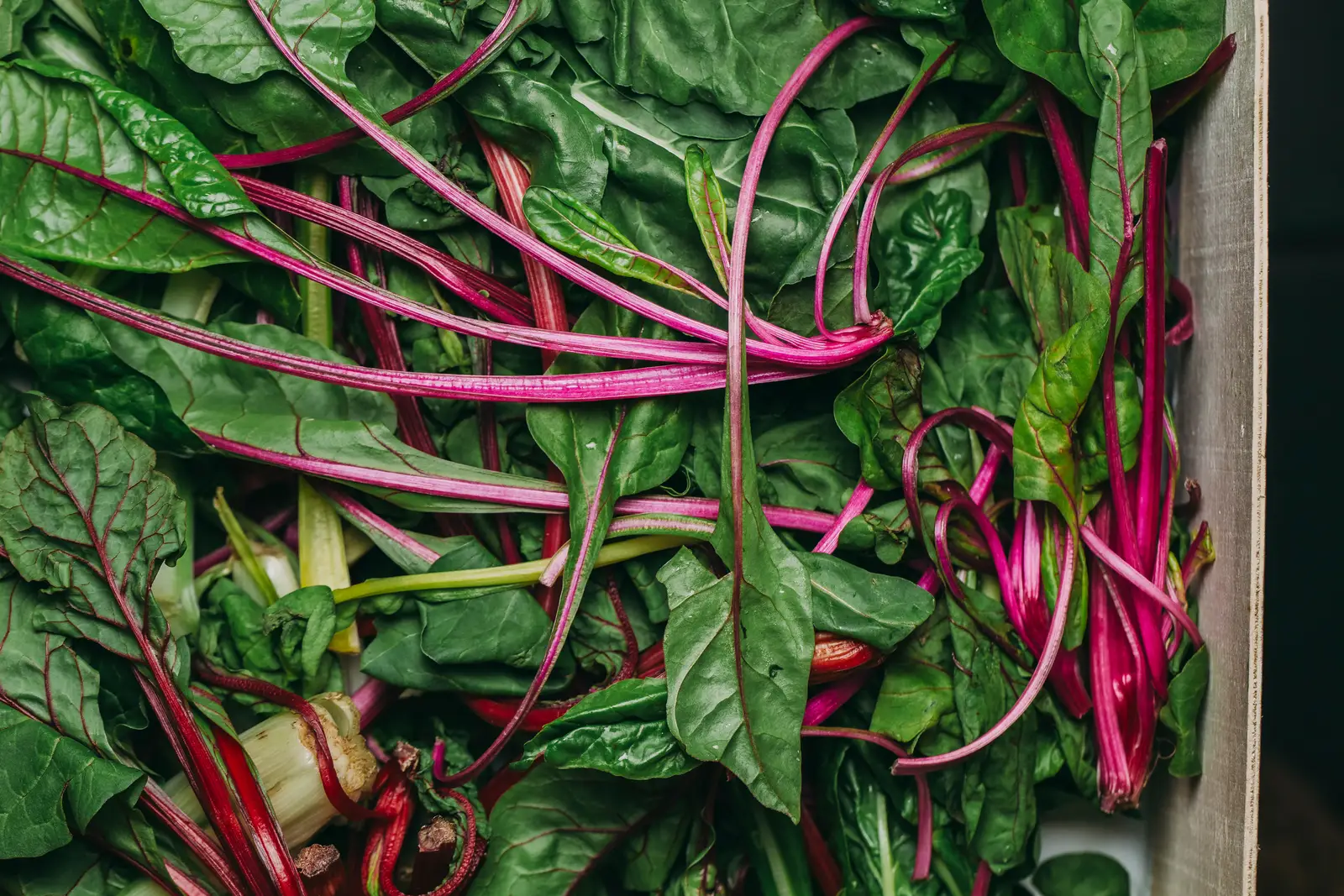
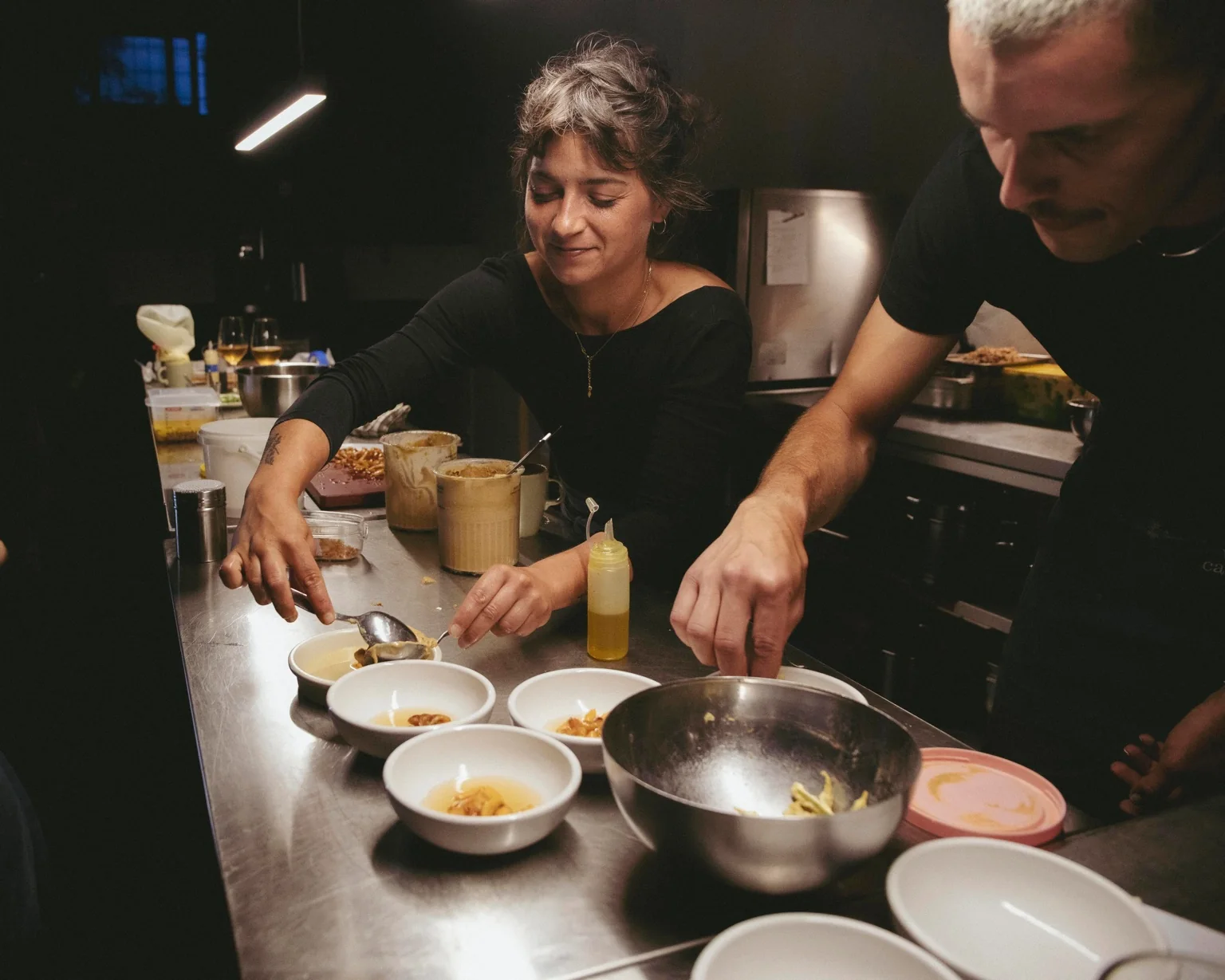
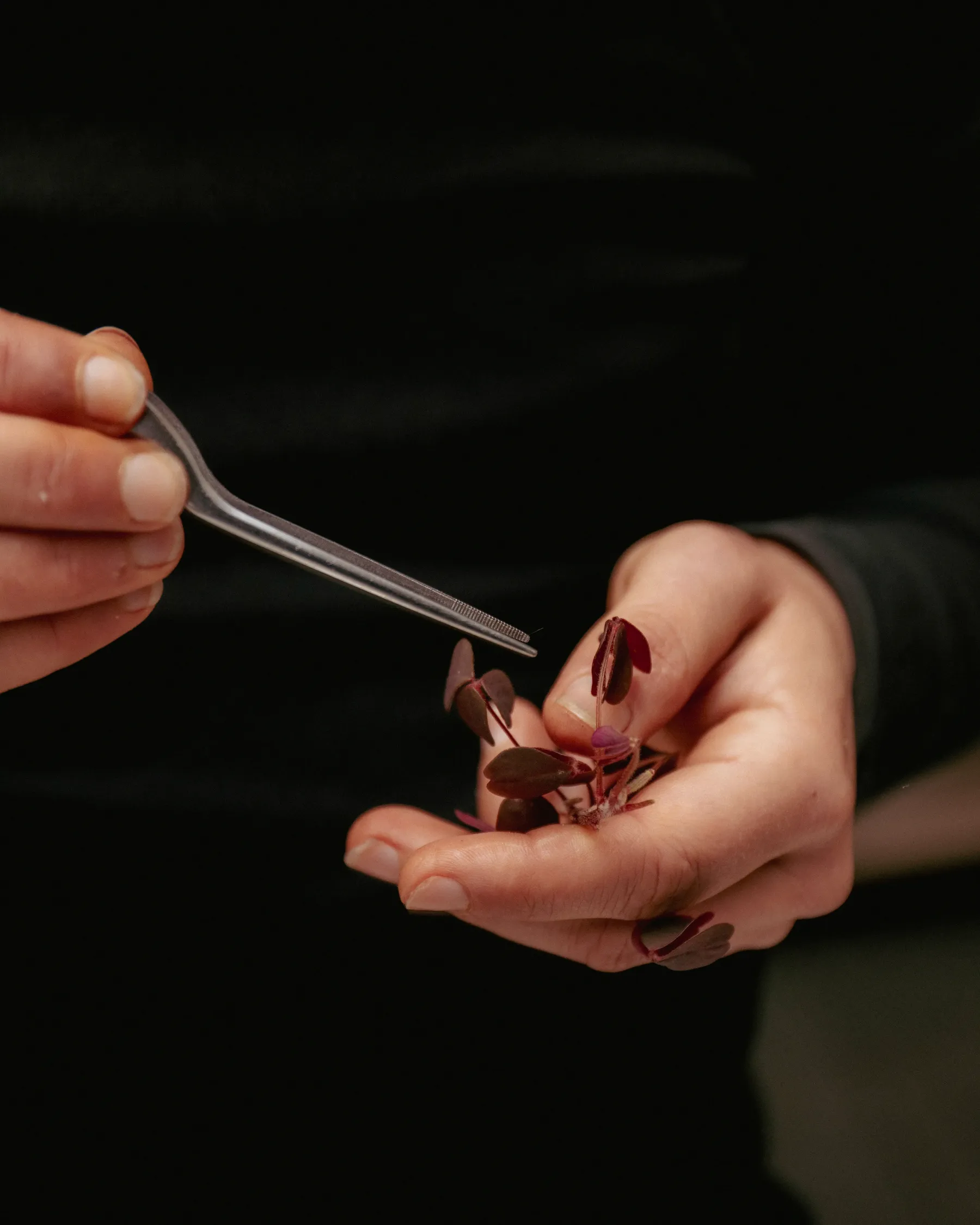
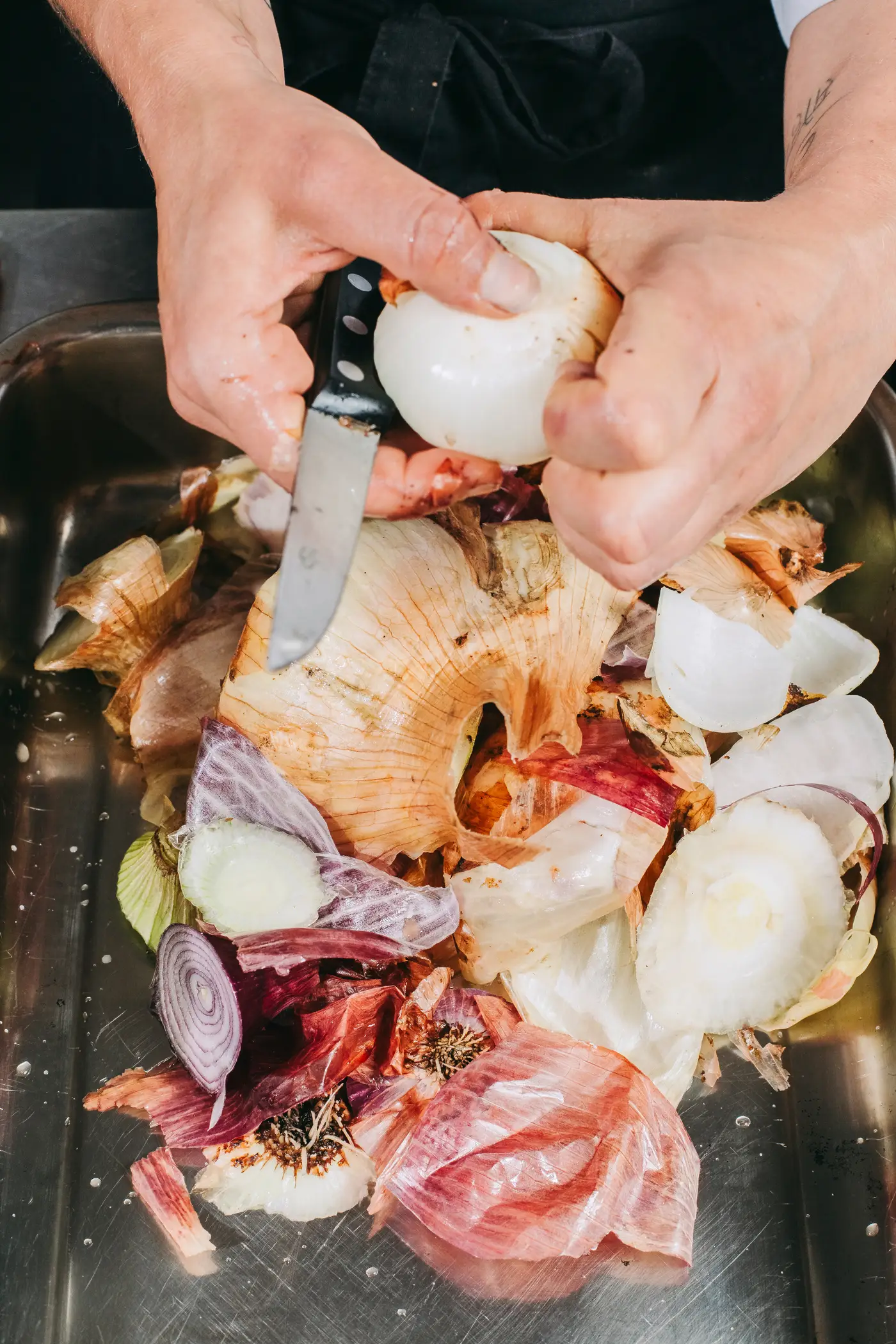
Monika's approach is whole-plant. Every part of a vegetable is used. What doesn't fit one dish finds another.
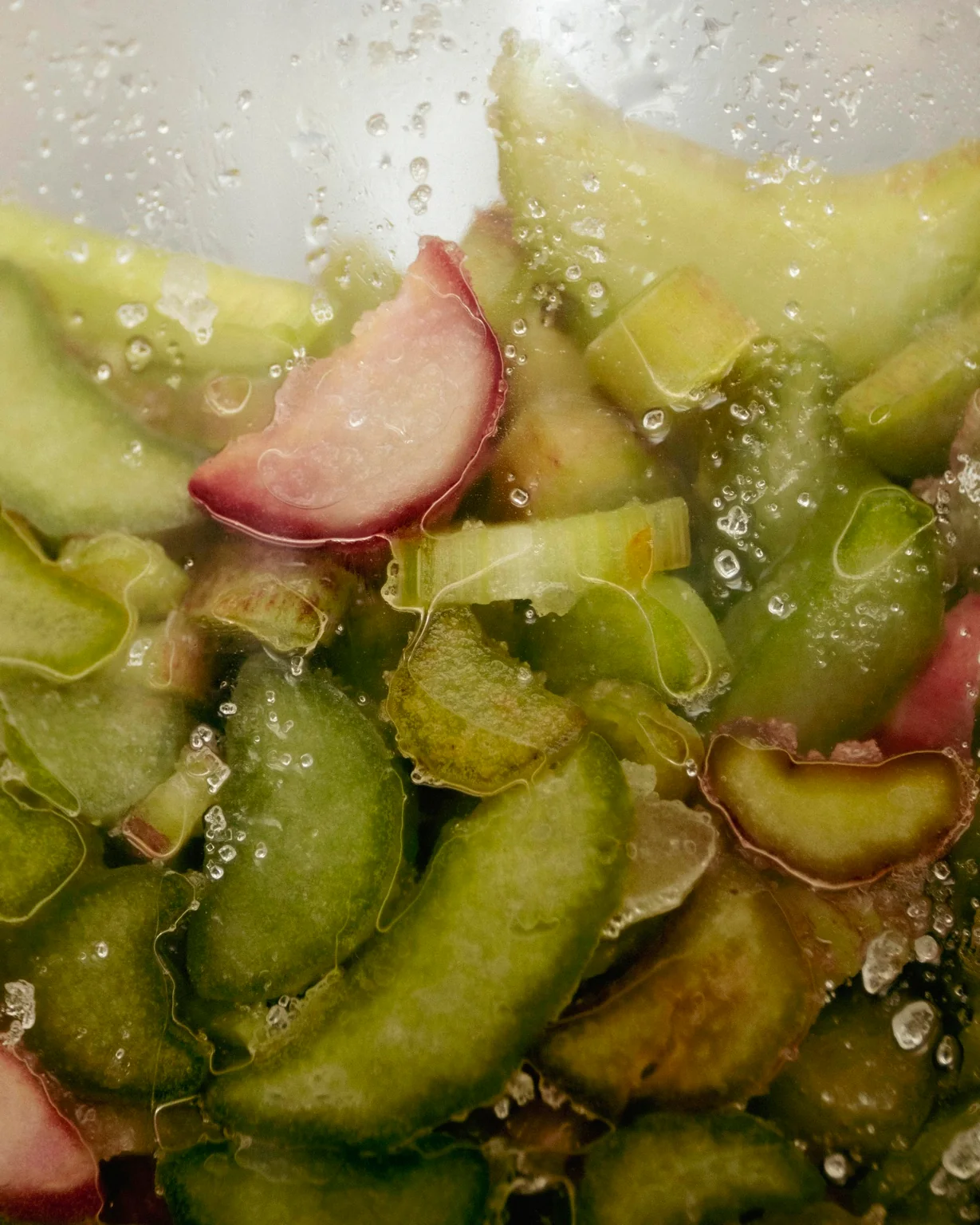
Fermentation and preservation carry flavour across seasons and push it into places it would not otherwise reach: koji, vinegars, lacto-ferments, preserved citrus, house marmite, old bread, broths, and oils. The cooking is depth-led and sometimes experimental, willing to put things next to each other that are not supposed to meet.
PATIO
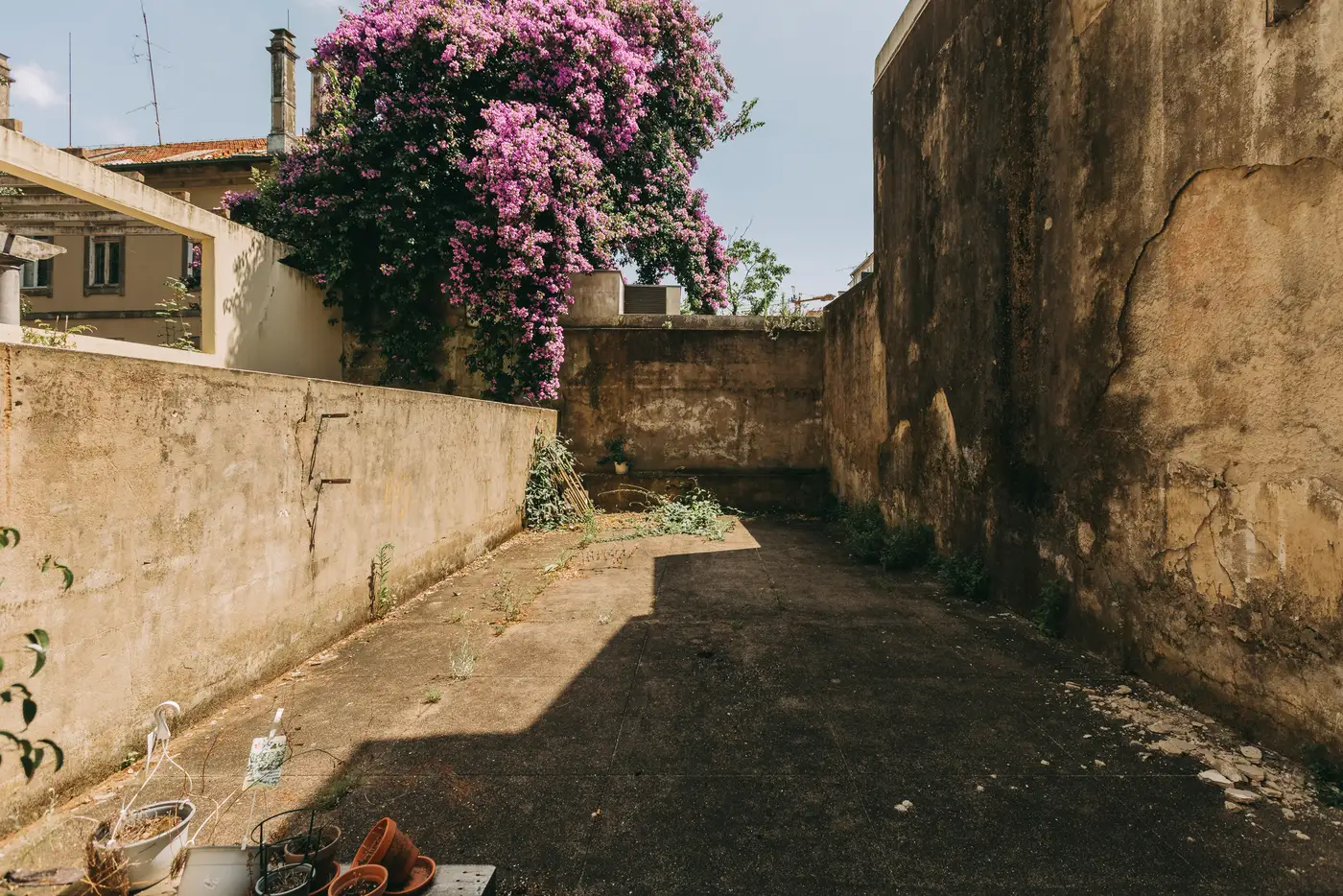
Behind the restaurant there is a 46m² courtyard. Since late 2025, Landra (Sara Rodrigues and Rodrigo Camacho) have been working on its ecological restoration: soil regeneration, planting, pollinator habitats.
A glazing project is underway. The intention is for the courtyard to be open to anyone, not just to diners.
It makes the same work visible that the restaurant does through sourcing.
EAT.BITZ
At dinner, each guest receives an oracle card tied to one ingredient on the current menu. The card traces it back to the farm, the species, and the ecology it sits inside.
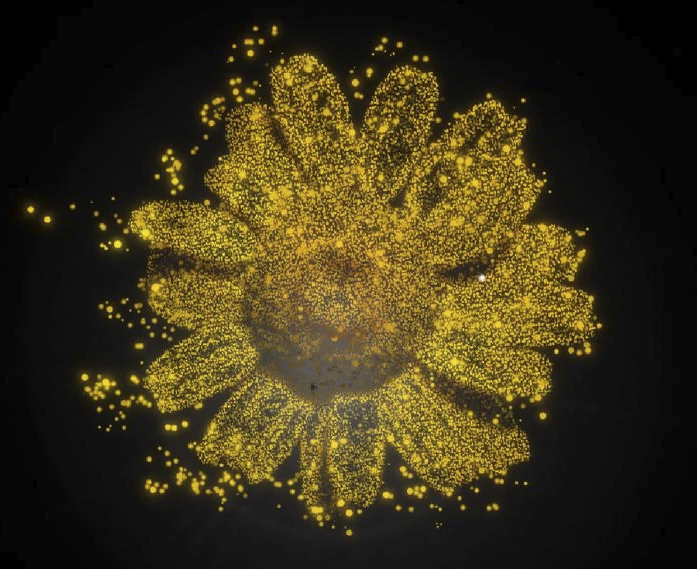
A kaleidoscope viewer at the table reveals around 200 species documented across the farms and forager sites that supply VENN. The card can be taken home.
Developed with Genomic Gastronomy, Bernat Cuni (Cunicode), and Ruben Gres through ST3ER. Live at VENN now.
Mesa Aberta & VERDE
Mesa Aberta is a free-meal programme for people outside the restaurant's usual reach. Reshaped after a 2025 pilot.
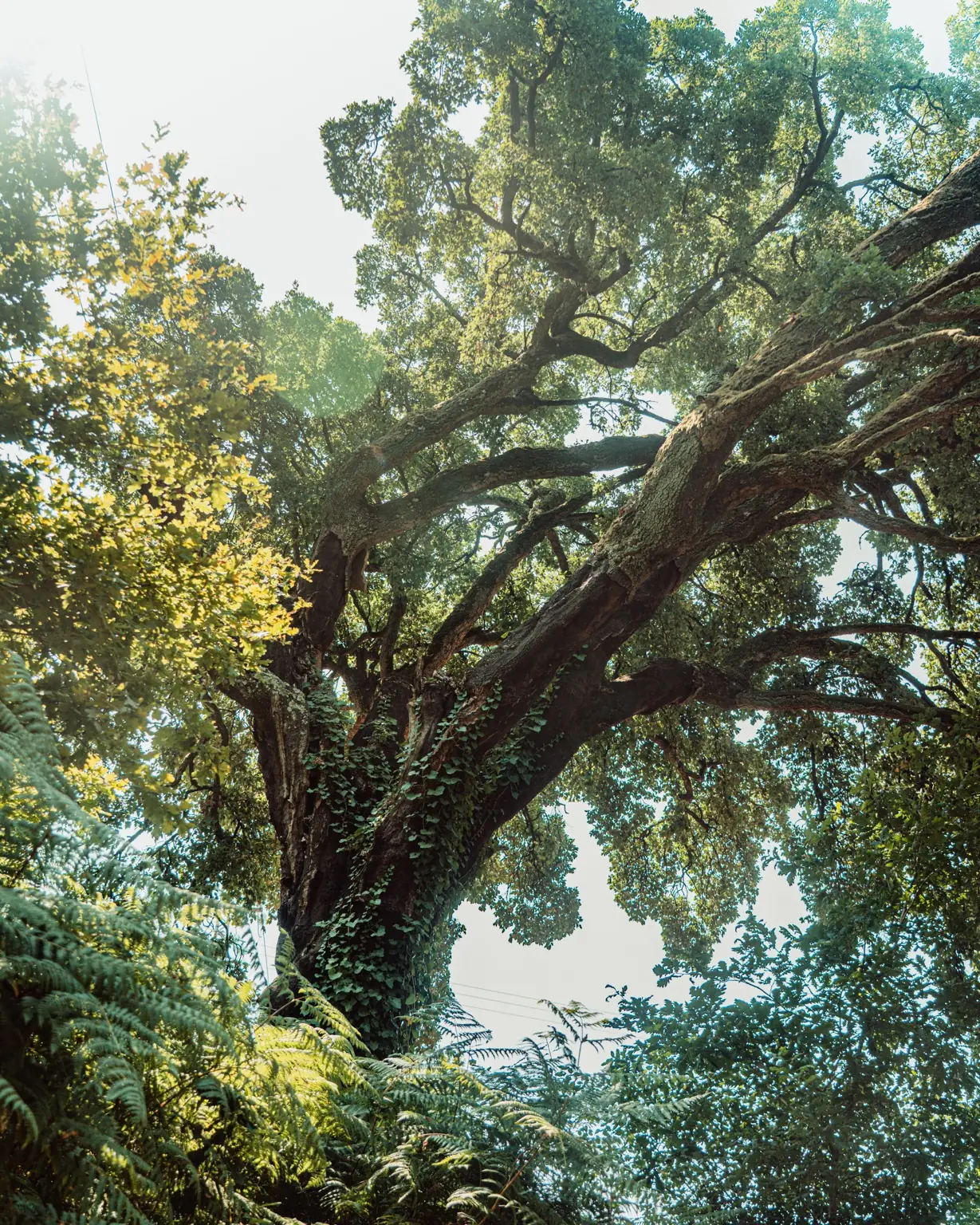
VERDE is a revenue-share partnership with Associação Verde. Where acorn flour appears on the menu, a portion of revenue goes to montado stewardship.
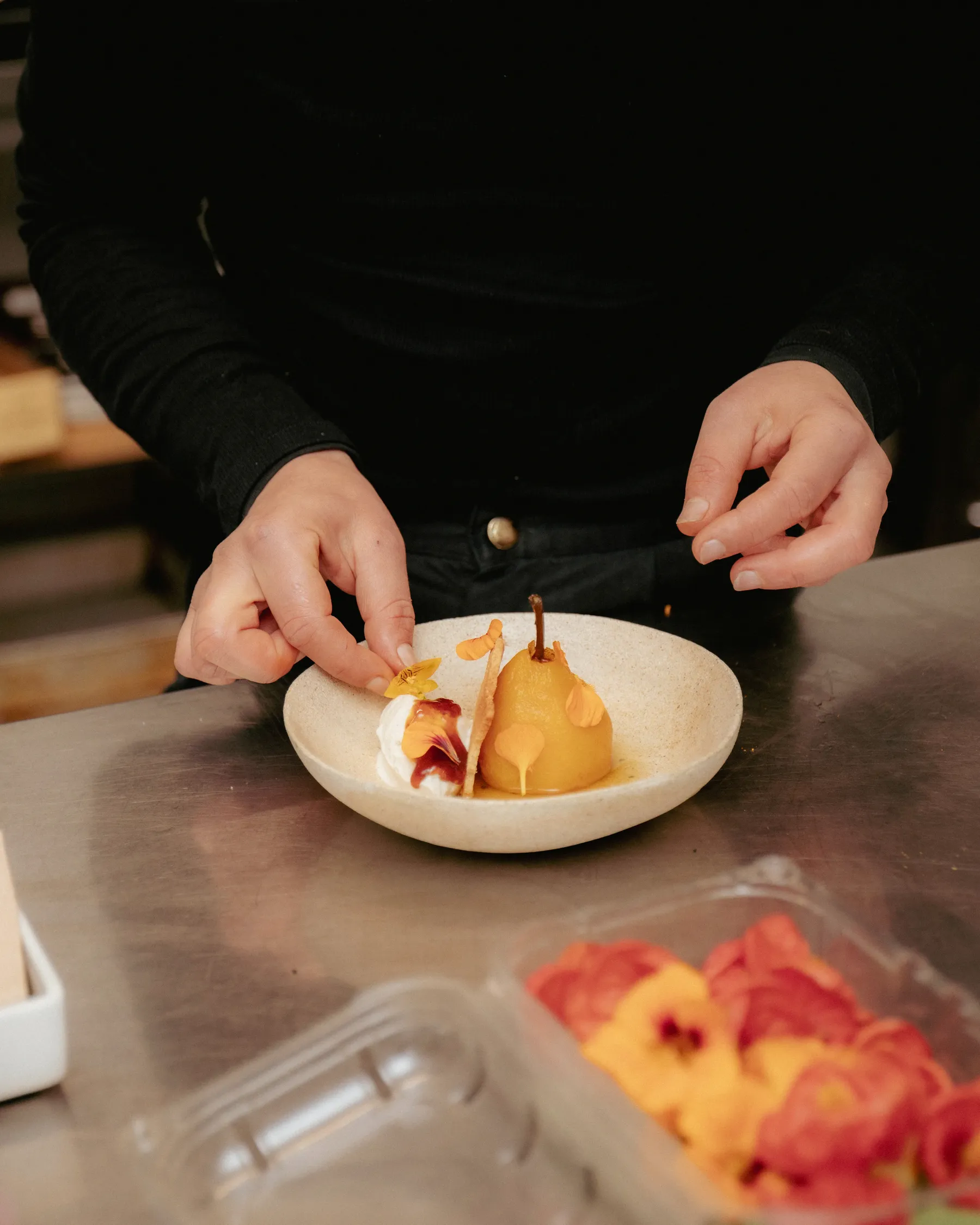
The cooking is seasonal and whole-plant where it makes sense, but not dogmatic. Nothing is added to compensate for the absence of meat. The point is depth: broths, ferments, smoke, acidity, fat, texture, and time.
Fermentation and preservation are part of how the menu is built. They extend the season, concentrate flavour, and create continuity across the year: koji, vinegars, lacto-ferments, preserved citrus, house marmite, broths, and old bread all have a place in the kitchen.
The menu changes with what the farms are producing. Spring, summer, autumn, winter — sometimes split early and late when a short window is worth catching. Tasting menu only, which lets the kitchen commit fully to one direction at a time.
The people and organisations this work depends on.

 University of Porto Technology and Science Park. Porto.
 Social impact incubator. Lisbon.
Three years. Still in progress.
VENN Canteen opens in Porto's Baixa, built on the foundations of VENN Foods, a meal-kit delivery business. First year in the restaurant industry for all three founders.
100% plant-based from the start. Sourcing-led from the start.
Experimental years. The purchasing policy sharpens: chocolate and cashew were dropped, local heritage grains and vegetables introduced, spontaneous and wild species brought into the kitchen.
Sea Shepherd donation partnership in 2024.
December 2024: Shift to tasting menu only. Service focus refines.
Eyes on the Field — farm workshop and multi-sensory dinner at Formiga Gloriosa, May 2025.
Verde revenue-share partnership begins.
EAT.BITZ enters development with Genomic Gastronomy, Bernat Cuni, and Ruben Gres.
Landra joins on patio ecological redesign.
March 2026: ST3ER project concludes. EAT.BITZ fully installed at VENN and live in-restaurant.
Patio courtyard works and rear-facade in progress. Ongoing.
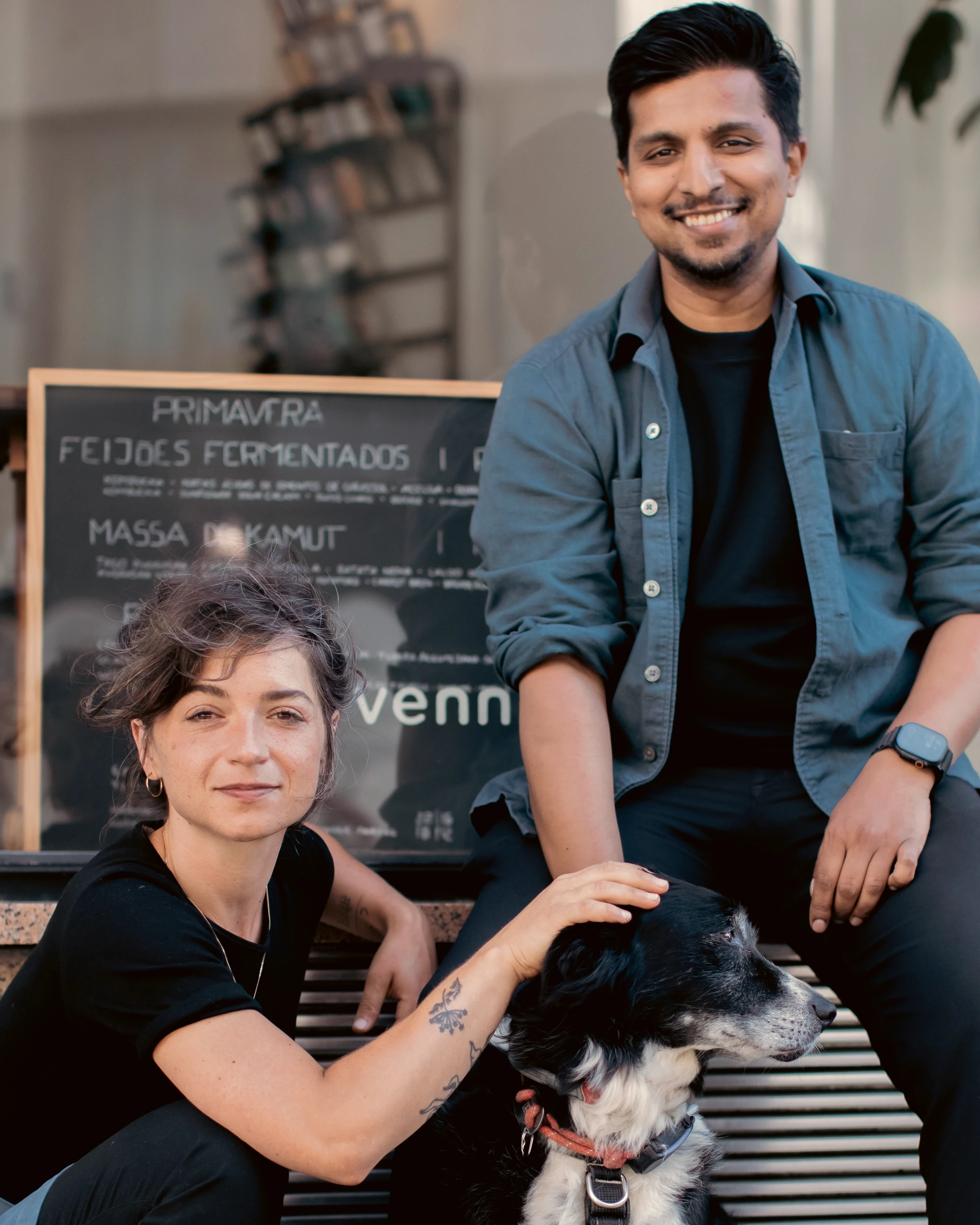
Independently founded by three people.
Leads all culinary direction at VENN. Her approach is whole-plant, depth-led, and rooted in direct supplier relationships. Menu development, sourcing decisions, and the restaurant's culinary identity are her work.
Responsible for day-to-day operations, business strategy, and the systems that keep the restaurant running. Also leads VENN's partnerships, institutional relationships, and longer-term development.
Leads growth and analytics. Works on how the restaurant is found, understood, and chosen.