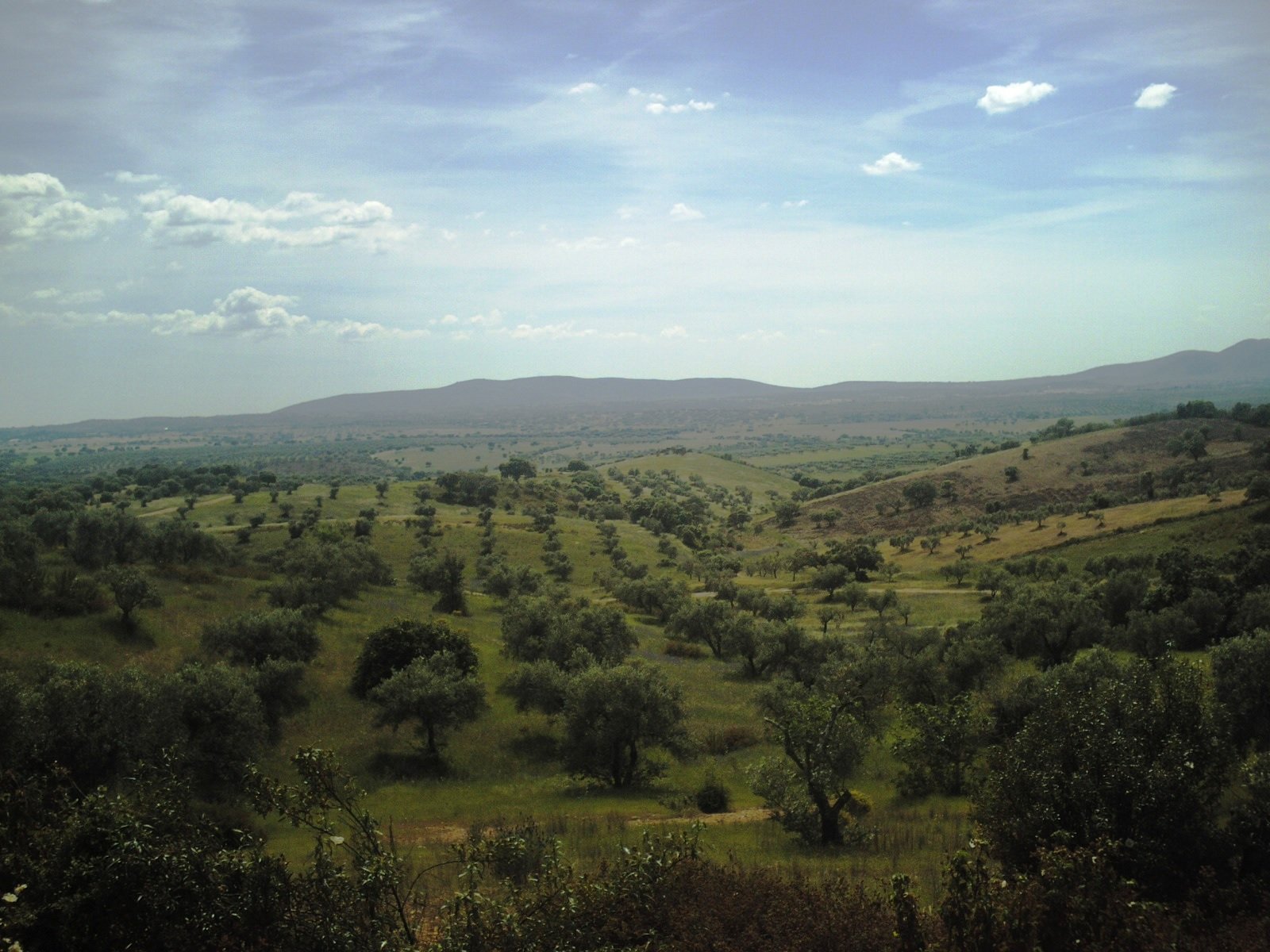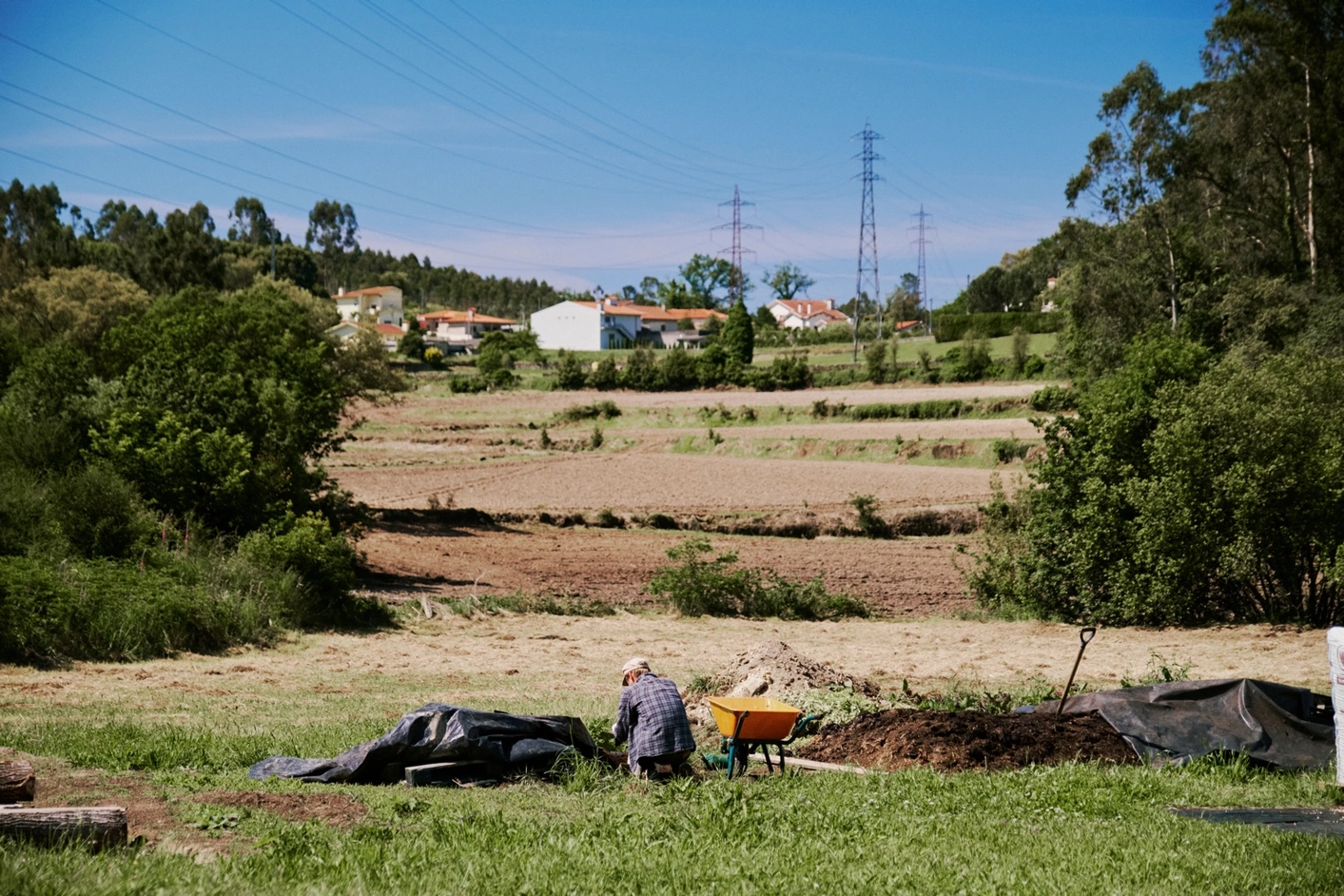
Open farmland in the green river country upstream of Porto
live from our kitchen dashboard Provenance

where our food begins.

Where it's from, and how it came to be.

72% of what we spend on ingredients goes straight to independent farms and producers we know personally.
72%
spend to farms we know
100%
traceable to source
98%
matched line-by-line
26
named producers
172
ingredients tracked
how we count this

Traceable to source means every euro of ingredient spend is tied to a named supplier on the invoice, we always know who we paid. Matched line-by-line is the stricter test: 2,536 of 2,577 invoice lines (98%) are resolved to a specific ingredient and producer; the remaining 2% is shown as unmatched, never dropped. Farms we know personally take 72% of spend; imported (18%) and wild are shown honestly alongside, not hidden. Figures are the rolling twelve months, Jun 2025 – May 2026.

We trace what we buy

Every euro, tied to a name.

Each invoice line is matched to an ingredient and the producer behind it, the real, invoiced network behind the menu, not a marketing claim.

One kitchen, many relationships

Where our suppliers actually are.

15 producers we know across mainland Portugal, plus one in Madeira. A solid dot is a grower, a hollow ring a maker or processor, a softer dot a town or region we hold rather than the exact field.

Hover or tap any point to meet the producer.

grower maker / processor town / region Porto · Venn

Where the spend goes

What a year of buying actually looks like.

Live from the kitchen dashboard. Each tile is one ingredient; its area is that ingredient's share of spend over the period you choose. Darker green is a farm we know, brighter green is wild or foraged, amber is honestly imported, the eye should read "mostly green" in half a second, because it is.

Tap or hover any tile for the ingredient, its source status and supplier. Share moves as you change the period, proof the data is live, not a snapshot.

The shape of the ledger

What every euro buys, and the lines behind it.

Every euro of food spend, by source

Named, independent farms take the clear majority. Imported is the honest minority, naming it plainly is more convincing than hiding it. Wild, in-house preparation and transport make up the rest; unmatched is the 2% we can't yet tie to a single line.

What we buy, by ingredient family

Every tracked ingredient grouped into families across the 12-month ledger. Green is named / local, amber imported, so the imported share of nuts (macadamia, cashew) is shown, not hidden.

The people behind the menu

The closest relationships, then the whole network.

Portraits for the producers we work with most closely, then the rest of the network as a directory. The directory reads live from our kitchen dashboard: who they are, where they are, and what they send us.

Ecoseiva
Carreira Encha, Tondela

Ecoseiva

20.6% of 12-month spend · 84 ingredients · grower

Certified-organic backbone of the kitchen, potato, pepper, sweet potato, pumpkin, carrot, onion, among many others. One of the most significant relationships in the ledger.
H2Douro
Marco de Canaveses

H2Douro

11.6% of 12-month spend · 76 ingredients · grower

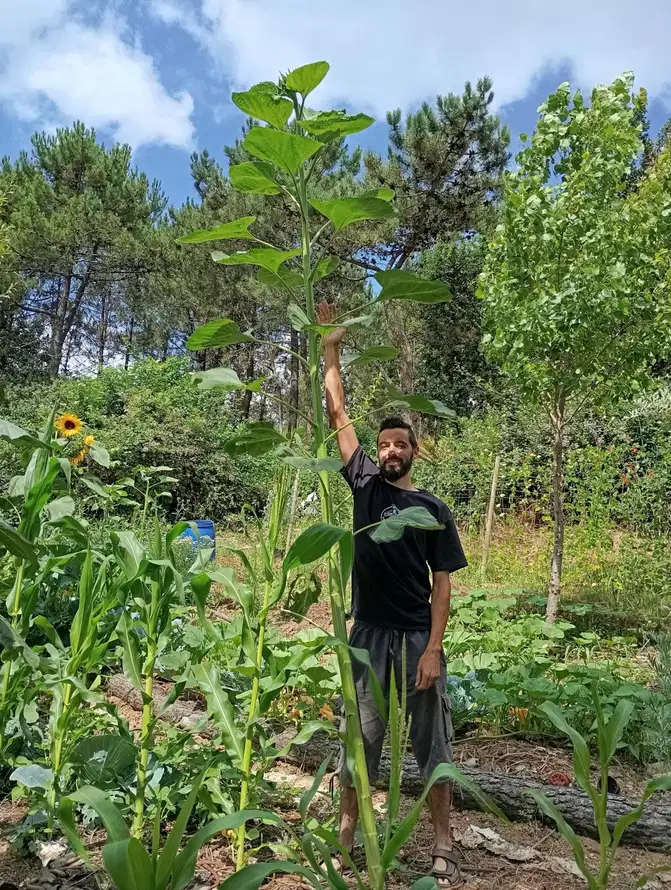
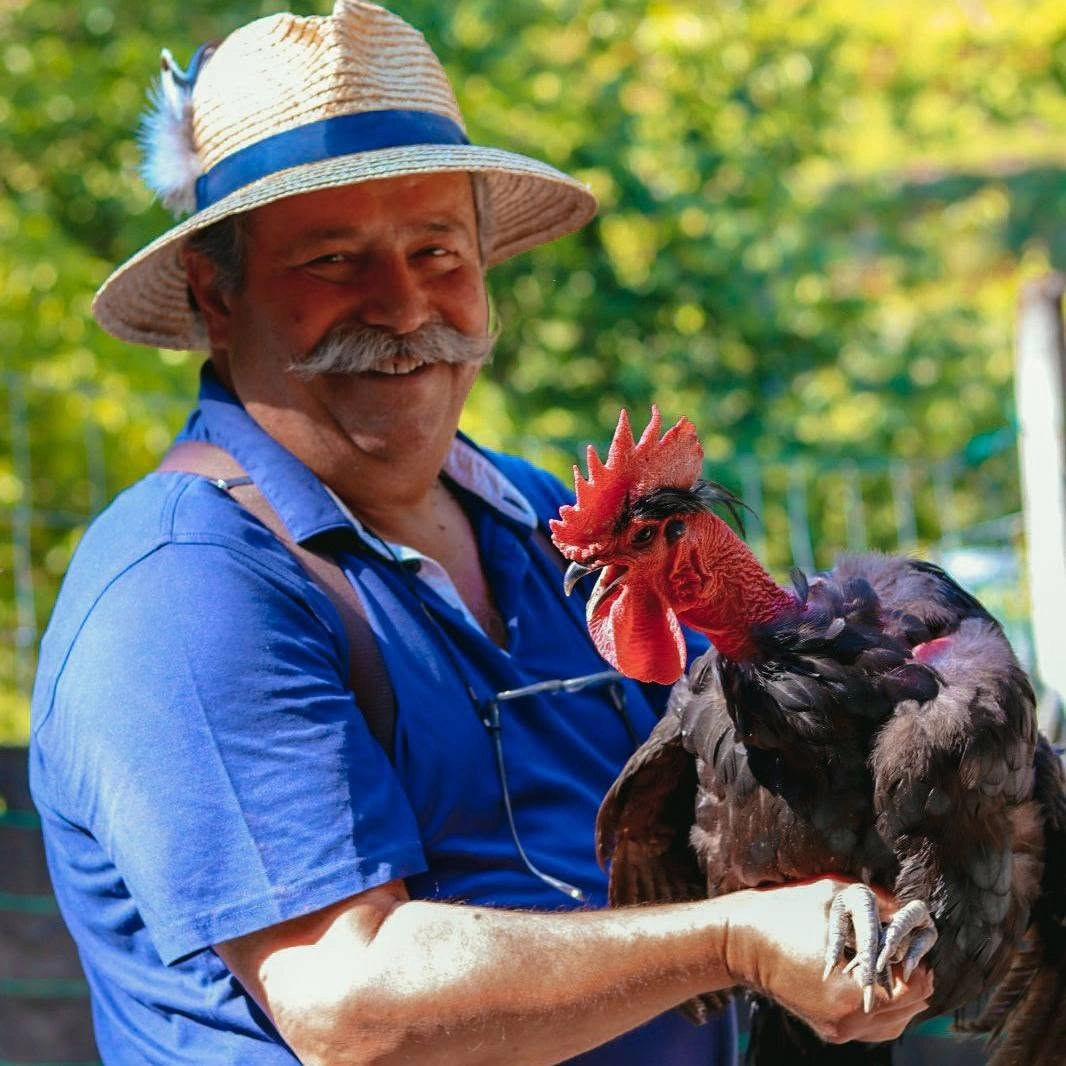
Lemons, seasonal vegetables, berries and microgreens grown in the Douro Verde, the green river country a couple of hours upstream of Porto.

Formiga Gloriosa
Muro, Trofa

Formiga Gloriosa

6.4% of 12-month spend · 54 ingredients · grower

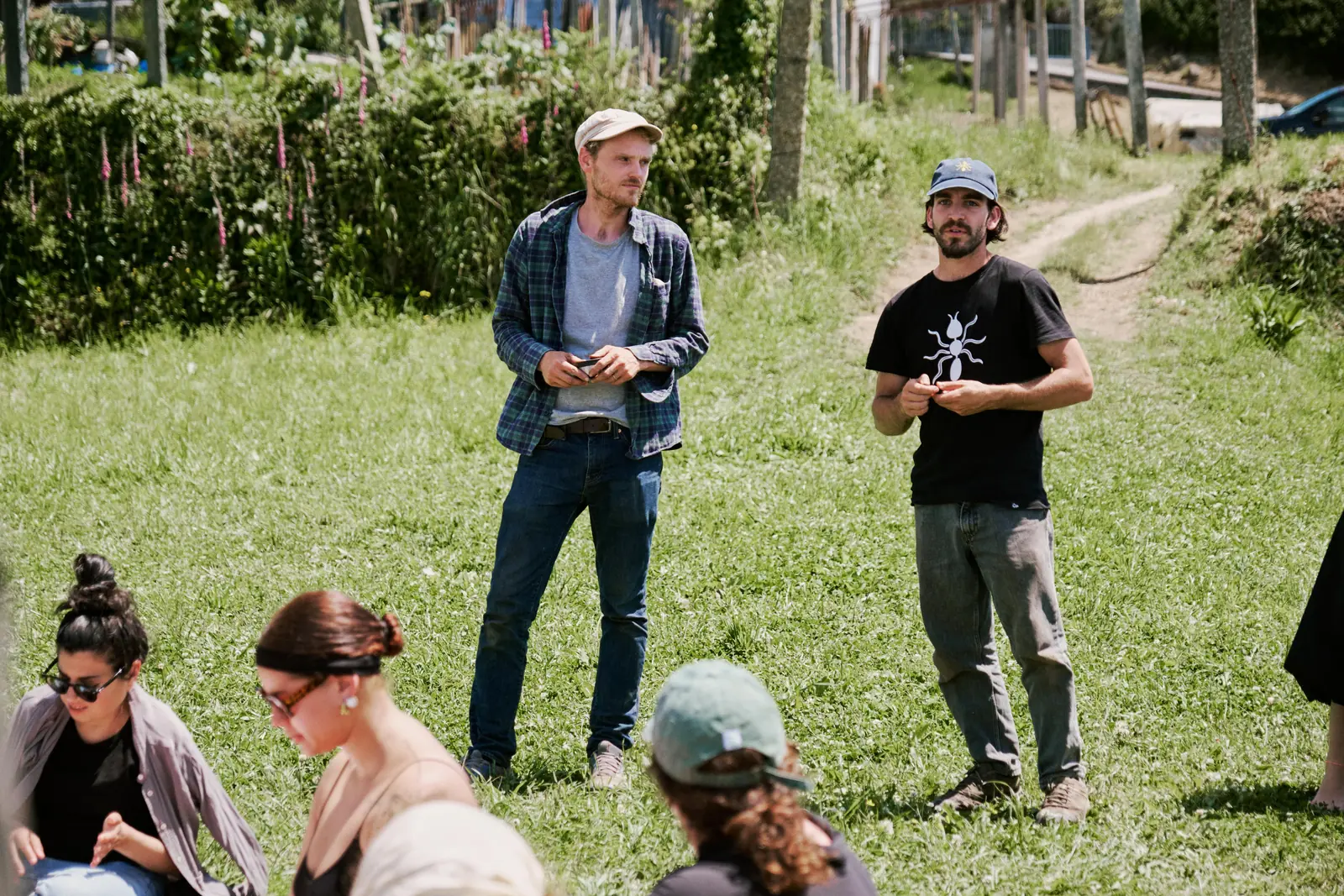
A small market garden working largely without tractors and converting to certified organic, microgreens, baby leaves, herbs and edible flowers.

Agroflorestal dos Corotos
Balasar, Póvoa de Varzim

Agroflorestal dos Corotos

34 ingredients · grower · supplied via partners

An agroforestry market garden near the coast, growing vegetables and greens among trees rather than in cleared rows.

Azenha do Pombal
Trás-os-Montes

Azenha do Pombal

12.7% of 12-month spend · curator & regional partner

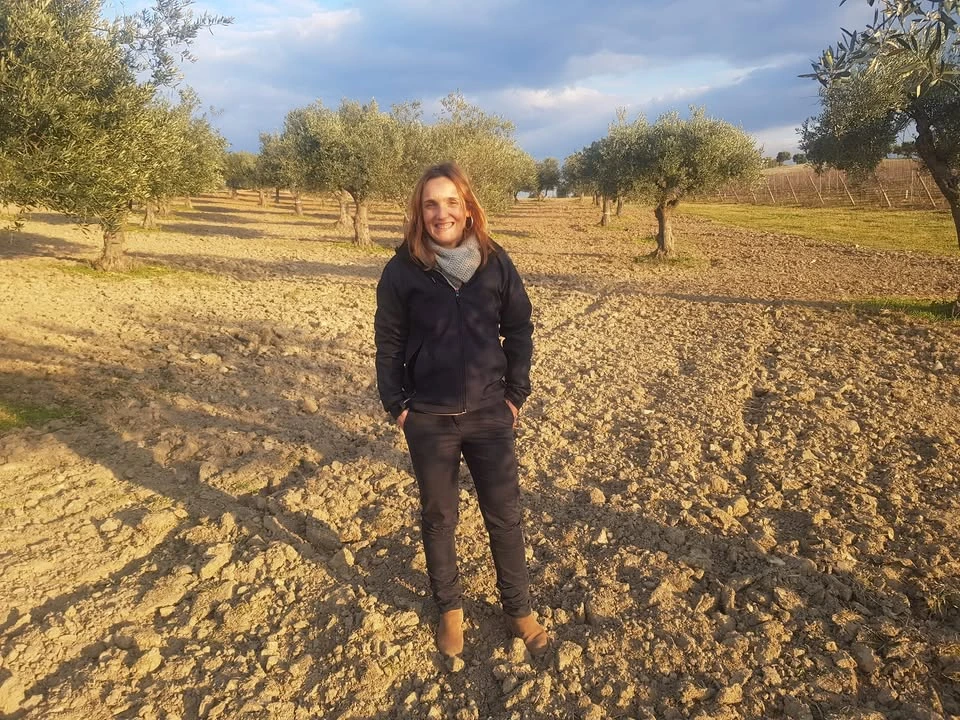
Run by Filipa Teixeira, who is trained in agronomy. Her project shortens the chain to small producers across Trás-os-Montes, bringing the region's olive oil, figs, dried pear and balsamic to our kitchen. It is one of Portugal's great growing regions, a hot, dry Terra Quente known for its DOP olive oil, almonds and chestnuts.

and the wider network

26 named producers

Every one a real, invoiced relationship. The full directory is below.

Another side of Portuguese gastronomy

Another side of the Portuguese table.

Underused Portuguese plant foods, older plant traditions and regional ingredients that slipped out of commercial growing, a quieter side of how the country eats. We cook with them, research them, and follow them closely. A few we work with or follow.

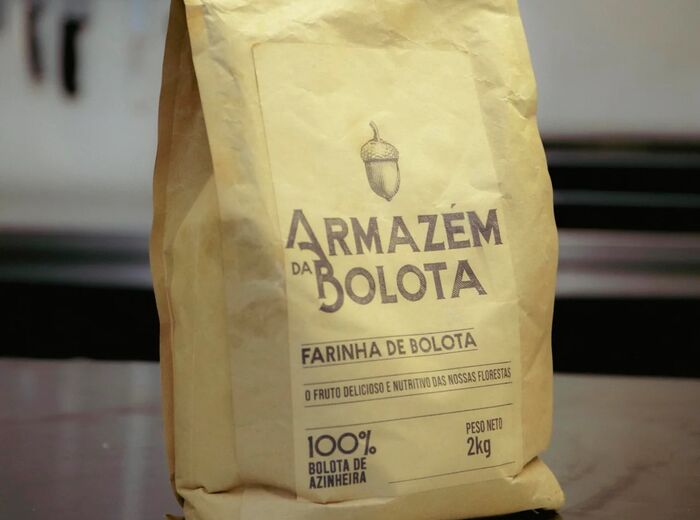
Acorn flour

Acorn flour

farinha de bolota

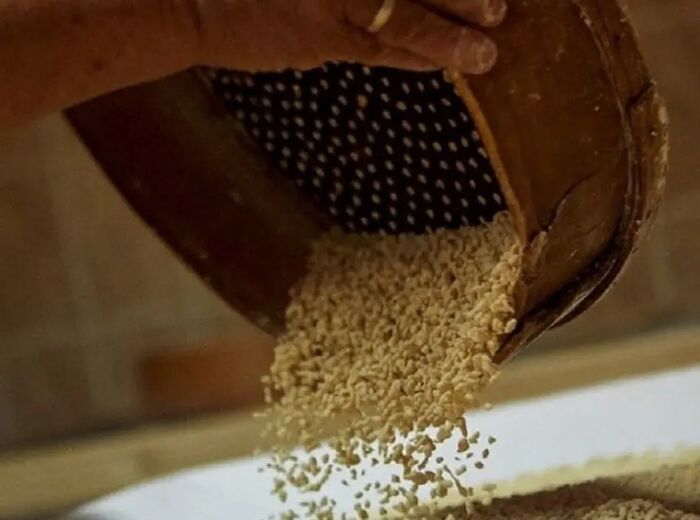
Flour milled from acorns gathered in the open oak country of central and southern Portugal. Low-input and gluten-free. We follow it from the plate back to the tree.

follow the acorn into the Atlas →
Transmontano couscous

Transmontano couscous

cuscos transmontanos

Portugal's own couscous, Moorish-rooted, hand-rolled grain by grain, still made by families in the Trás-os-Montes northeast. Built on Barbela wheat: keep the grain and you keep the dish.

Millet

Millet

milho-painço

A small, naturally gluten-free grain, one of the underused Portuguese cereals we cook with, milled for us by Paulino Horta.

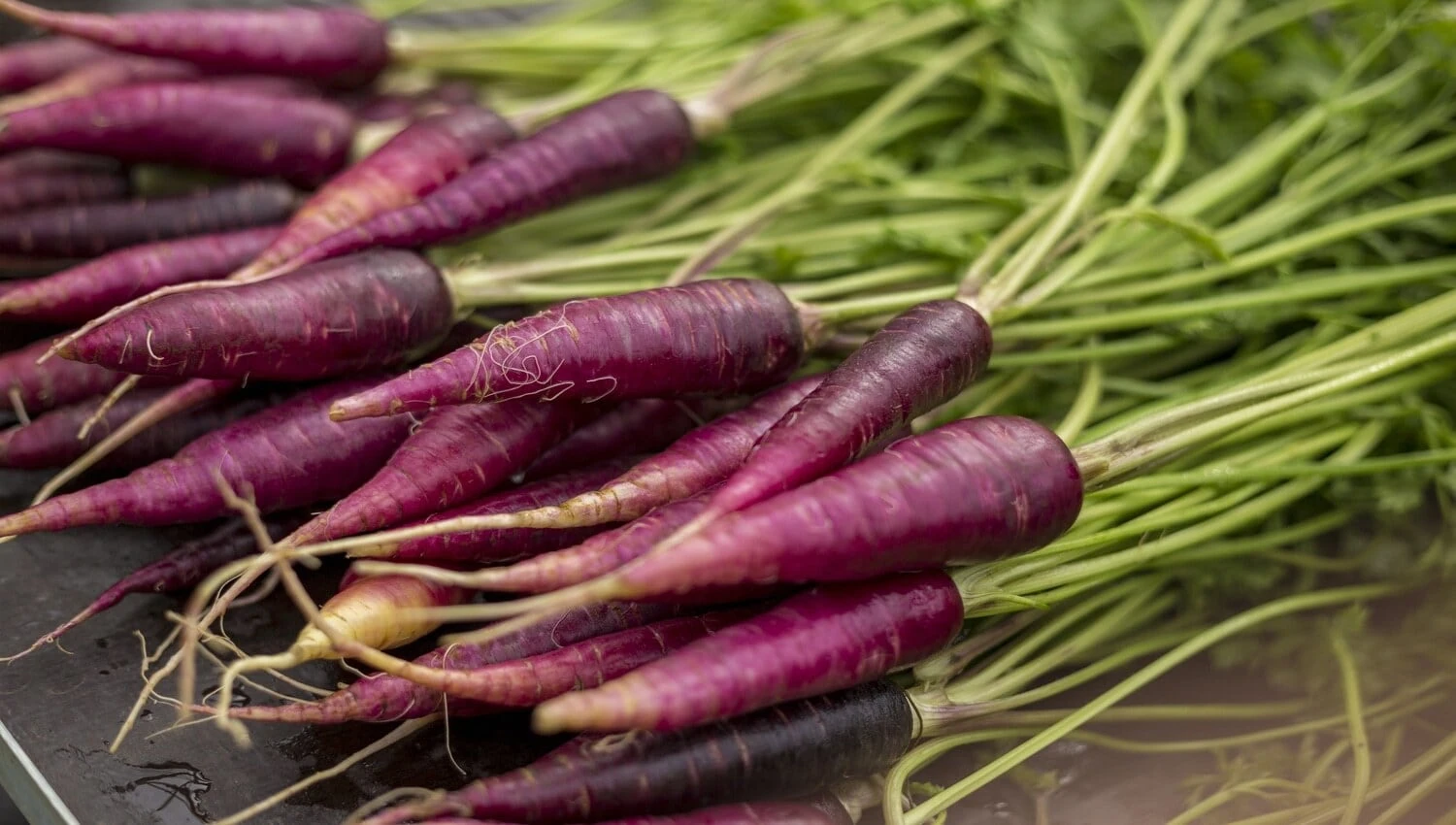
Purple carrot

Purple carrot

cenoura roxa

A deep-purple regional variety grown in sandy Alentejo soils. We keep it in the kitchen's rotation.

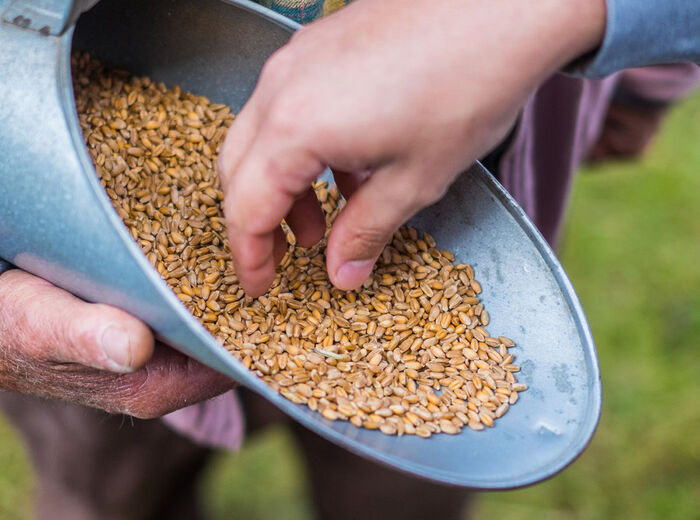
Barbela wheat

Barbela wheat

trigo barbela

A tall, hardy Portuguese heritage wheat. We mill it through Paulino Horta for our breads, and it's the grain the cuscos depend on.

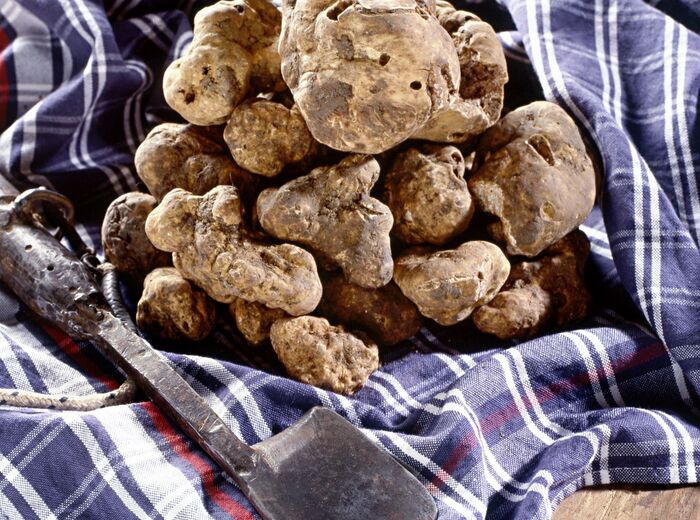
Desert truffles

Desert truffles

túberas

Truffles of the dry Alentejo, gathered as they have been for generations, a regional speciality.

Open oak country in the Portuguese interior
The Living Ingredient Atlas

Follow a single ingredient from the plate back to the land it grew in.

Each Leaf takes one ingredient and follows it, one landscape, one producer, one map of Portugal, from the plate all the way back to its source.

How we count, and why it holds up

A named source is the floor. Not the ceiling.

We trace it

Every invoice line is matched to an ingredient and a producer, 2,536 of 2,577 lines, 98%. The 2% unmatched is named as unmatched.

We assess it

Each supplier passes mandatory gates, then scores across social, cultural, environmental and traceability lenses, not just "is it named." The framework is published below.

We publish it

The same figures the kitchen sees. No rounding up, no hidden imports, no claim without a way to check it.

2,577 invoice lines 2,536 matched 172 ingredients 26 producers the menu the Atlas
Why this matters now

Since the EU Empowering Consumers Directive (March 2026), words like "sustainable" and "local" mean little without evidence behind them. Most kitchens have a story. We have a ledger, and we're showing it.

For press & partners
Provenance figures are rolling twelve-month values (Jun 2025 – May 2026) from Venn's ledger; the ingredient treemap updates live by period. Producers shown on the map are the ones we name publicly, read live from the kitchen dashboard: fifteen across mainland Portugal, plus Ribeiro Seco in Madeira.